
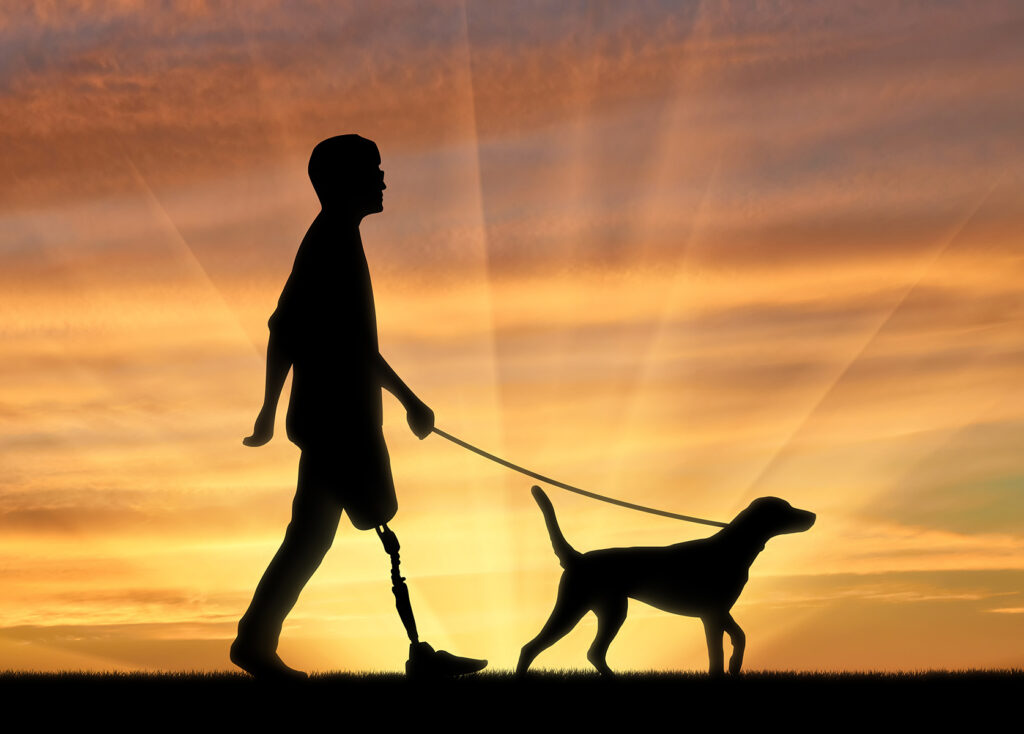
Life-changing events, such as amputation, can be overwhelming and challenging to navigate. Managing the physical, emotional, and psychological aspects of limb loss requires resilience, support, and a holistic approach to healing.
Human Technology explores the best ways to heal after amputation, focusing on physical rehabilitation, emotional well-being, and adapting to a new normal.
1. Physical Rehabilitation
Prosthetic Technology: Embracing prosthetic technology can significantly impact the rehabilitation process. Technological advances provide amputees with many options, from basic models to sophisticated devices that mimic natural movement. Working closely with a prosthetist to find the correct fit and functionality is crucial for a smoother transition.
Physical Therapy: Engaging in regular physical therapy is required for rebuilding strength, flexibility, and coordination. Therapists can create personalized exercise routines to target specific muscle groups, promoting a faster recovery and enhancing overall mobility.
Healthy Lifestyle: Maintaining a healthy lifestyle plays a key role in rehabilitation. Proper nutrition, regular exercise, and adequate rest contribute to overall well-being and aid in the healing process. Consult a healthcare professional to create a tailored plan that aligns with your needs and abilities.
2. Emotional Well-being
Seeking Counseling: The emotional impact of amputation can be extreme. Utilizing professional counseling or joining support groups provides a safe space to express feelings, share experiences, and learn coping mechanisms. Mental health is an integral part of the healing journey.
Setting Realistic Goals: Establishing achievable short- and long-term goals is crucial for maintaining a positive mindset. Celebrate small victories and progress, plus be patient with yourself during challenging times. Setting realistic expectations allows for a more gradual and sustainable healing process.
Expressing Creativity: Engaging in creative outlets, such as art, music, or writing, can be therapeutic. Expressing emotions through creativity provides an alternative channel for processing feelings and fostering a sense of purpose and accomplishment.
3. Adapting to a New Normal
Learning Adaptation Techniques: Embrace adaptive techniques and tools that simplify daily tasks. Occupational therapists can provide valuable guidance on how to navigate challenges and regain independence in daily activities.
Social Connection: Maintaining a social network is crucial for emotional well-being. Surround yourself with supportive family and friends who understand and respect your journey. Participating in social activities and events can also contribute to a sense of belonging and inclusion.
Educating Others: Explain to those around you your experience and needs. Breaking down misconceptions about amputation fosters understanding and encourages empathy. It also empowers you to advocate for yourself and others in similar situations.
Healing after an amputation is a multifaceted journey that involves physical, emotional, and psychological aspects. By embracing the available resources, seeking support, and adopting a proactive mindset, individuals not only cope with limb loss but also thrive in their new normal. Remember, healing is a unique and ongoing process, and it’s essential to celebrate every step forward along the way.